Design for Manufacture ensures products can be built efficiently, at scale, and within budget. From medical device precision to consumer electronics cost targets, DFM bridges the gap between concept and production. It's the engineering discipline that turns ideas into reality.

By Jeff Mabbott, 30+ years experience in design and manufacturing

Design for Manufacture (DFM) is an engineering approach that ensures a product can be manufactured efficiently, cost-effectively, and at scale—without compromising quality or functionality.
From medical devices to consumer electronics, DFM bridges the gap between design concepts and real-world production. It forces design engineers to think beyond aesthetics and functionality, ensuring the product can actually be built reliably, within budget, and in large volumes.
Imagine you design a brilliant new gadget. On paper, it looks perfect. But once you try to manufacture it, you hit problems:
This is where DFM saves time, cost, and frustration. It ensures manufacturability is considered from the very start.
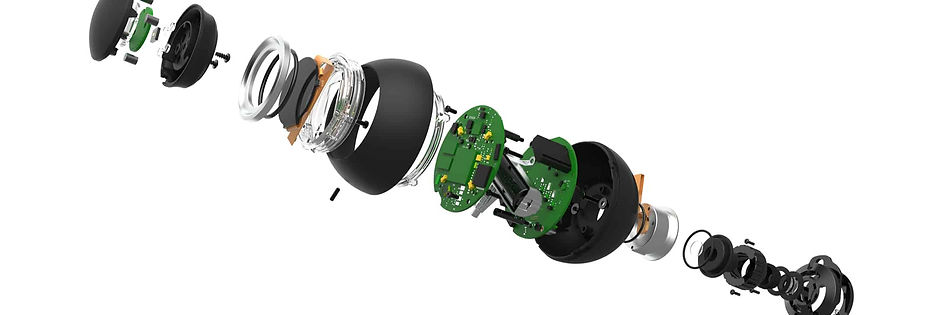
Medical devices are subject to strict safety, precision, and regulatory requirements. Here’s how DFM plays a vital role:

Consumer electronics—smartphones, wearables, laptops—demand a different focus:
DFM isn’t a one-time step—it’s an ongoing, iterative process requiring teamwork and trade-offs.

Design for Manufacture is at the core of turning ideas into reality. It ensures products are:
Whether it’s a life-saving medical device or a cutting-edge consumer electronic, DFM shapes the journey from concept to successful product launch.
The next time you pick up your smartphone—or see a medical device in use—remember: behind that product is a world of engineering excellence made possible by DFM.